

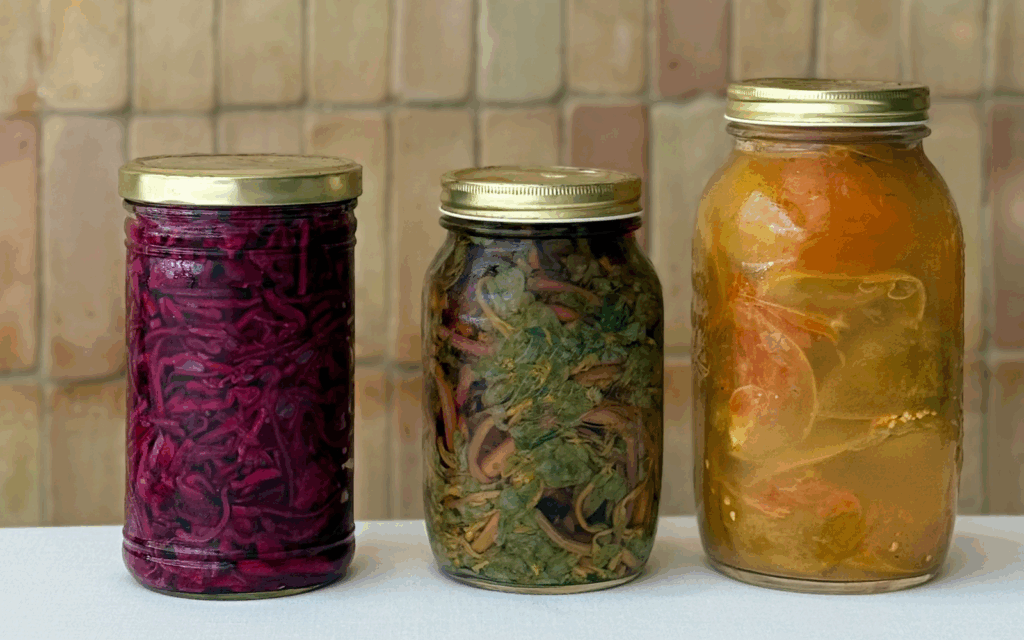
The history of cuisine is also the history of the need to preserve. Before refrigerators, and even before electricity, survival depended on ingenious methods to keep what the land or sea offered in abundance.
Salt, sun, oil, vinegar, or honey were indispensable allies. Today, that ancient practice is still alive in preserves, a domestic and artisanal ritual that restores respect to the product.
Modern life, driven by convenience and speed, has gradually distanced us from artisanal traditions like home preserving, practices that connect us to heritage and a respect for ingredients. The “use and throw away” culture and instant food have bottled us up (quite literally) in a world where tradition takes a back seat.
At Llisa Negra, we know this well. That’s why we continue to embrace methods that honour both the product and time. But we won’t reveal too much just yet, if you’re also curious about learning to make homemade preserves, this section is for you.
What is preserving and jarring?
Preserving is the method of conservation par excellence. With it, we can make the most of surpluses, store products to enjoy them out of season, or even, in some cases, preserve their finest parts. That’s how we do it at Llisa Negra.
Each culture has developed its own repertoire of preserves, from the classic escabeche of the Mediterranean pantry to fruit jams that extend the sweetness of the season. In Valencian cuisine, preserving is an act of ingenuity: giving seasonal products a second life and ensuring nothing from the orchards goes to waste.
While it’s a completely safe process when done properly, it’s essential to follow specific hygiene and sterilisation guidelines to ensure the jars are sealed and free of bacteria, especially to prevent botulism (caused by Clostridium botulinum). One of the most important steps is properly sterilising all the materials, especially the glass jars where the product will be stored.
You can jar a wide range of ingredients, but at Llisa Negra, this process is carried out with vegetables like artichokes, purslane, tomatoes, or white asparagus, among many others, as well as fish like tuna, and wild mushrooms. But we are always experimenting with something new.
Some ingredients require pre-treatment before jarring, such as brining, light cooking in water or oil, or even a vinegar marinade (escabeche), like we use for purslane and robellones. After this, they’re ready to be jarred.
Fun fact: The liquid used in the pre-treatment, whether brine, oil, water, or vinegar, is called in Spanish “líquido de gobierno” (governs liquid if we translated it literally), though, it’s known in English as “covering liquid”, simple.
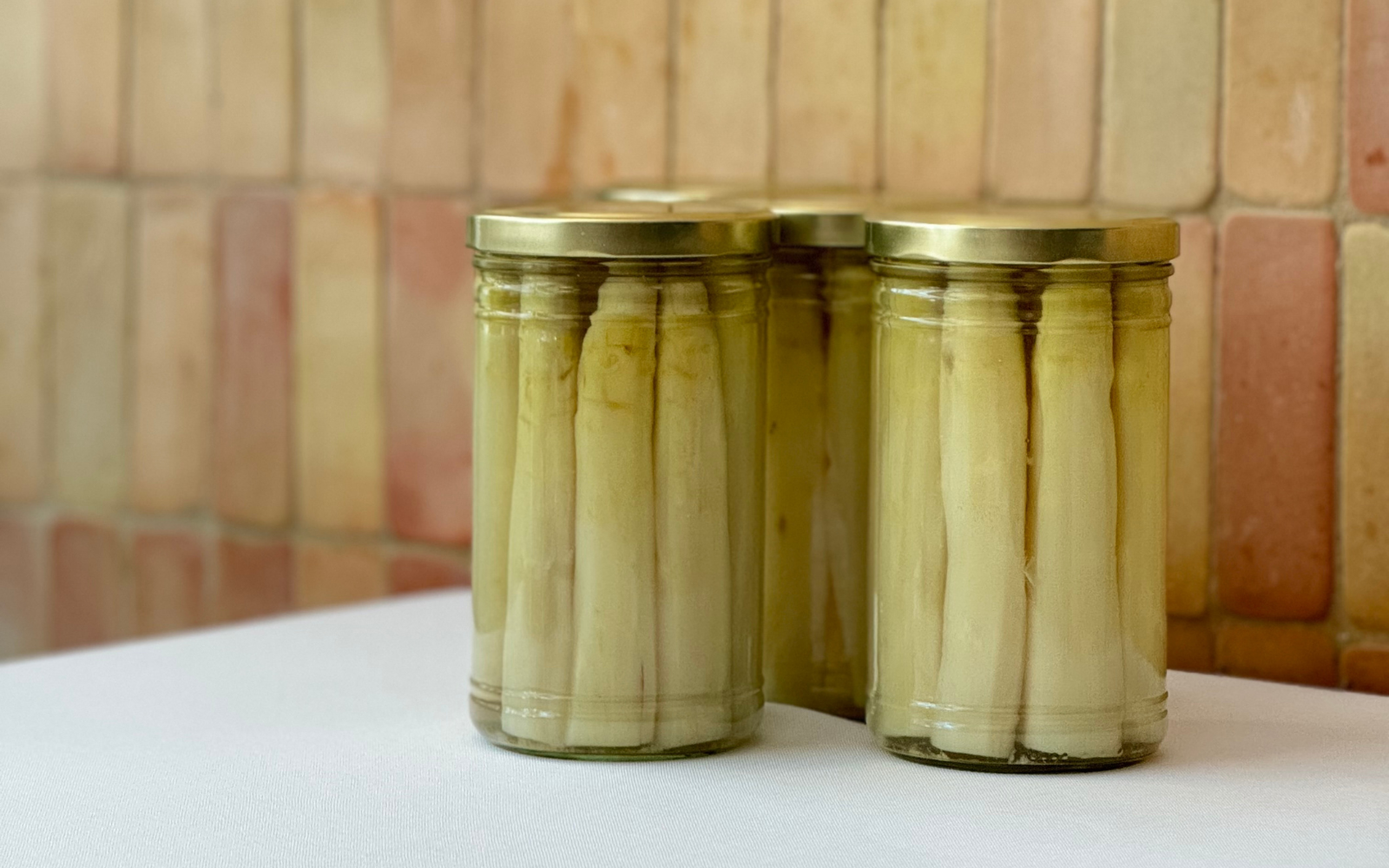
Step-by-step: how to jar at home
- Step 1: Fill the sterilised jars with the product and covering liquid, leaving about half a centimetre of space below the lid. This gap helps create the vacuum seal.
- Step 2: Close the jars tightly and place them in a water bath (bain-marie). We would suggest placing a clean cloth at the bottom of the pot to prevent the jars from clinking or breaking.
- Step 3: Once the water boils, cook the jars for 20 to 40 minutes, depending on the amount and size of the contents. Then, remove the pot from heat and let the jars cool inside the water.
Pro tips for expert-level jarring:
- Tighten the lids firmly to ensure an airtight seal.
- Remove air bubbles from the covering liquid before sealing. Tap the jar gently to release them.
- To confirm a proper vacuum, press the centre of the lid—it shouldn’t pop or move.
- Once sealed, store jars in a cool, dark, and dry place.
- Shelf life is approximately 1.5 to 2 years, depending on the product and storage conditions.
- Get creative: add herbs, spices, or aromatics to the covering liquid for added flavour.
Jarring is more than just preserving
Making your own preserves at home isn’t just about keeping food, and about caring for what you eat, it’s also about reconnecting with tradition, reducing waste, and giving seasonal flavors new life. At Llisa Negra, we embrace this technique as part of our culinary identity.
Want to taste it for yourself? Reserve your table here and experience it firsthand.

